Aspire Software
Designing a customer self-service portal that gave clients full visibility into services, invoices, and visits — helping drive a 12% increase in ARR.

Customer Portal & Design System
Clients were losing customers because of poor visibility.
One portal and a new design system changed that across the entire product line.
Deep Dive
Background
Aspire Software, now part of ServiceTitan, is an all-in-one business management platform for commercial field service companies — landscaping, janitorial, and facilities operations. The platform manages everything from estimating and scheduling to crew management, invoicing, and job costing. Aspire takes a percentage of all revenue that moves through the platform, which means design decisions that improve client retention and transaction volume have a direct impact on company revenue.
Role
Lead Product Designer, working alongside a director of product, product manager, product owner, engineering team, and marketing.
The Problem
Aspire's clients include commercial landscaping and facilities companies. The clients were fielding a high volume of inbound calls and communications from their own customers about service visits, invoicing, and billing status.
Without a self-service portal, every question required a manual response. Clients were either hiring staff to handle it or paying for outside software. The inefficiency was costing them time and money, and the poor visibility was causing some of their customers to drop off entirely.
Research
I spoke directly to Aspire's client advisory board to understand where the operational friction was concentrated.
We then went a layer deeper, interviewing the end customers of those clients, the property managers and facilities directors who were generating the inbound calls.
FullStory and Pendo data helped identify where users were dropping off in existing workflows and what they were searching for without finding.
What We Found
The longest and most painful part of the process was the period after invoices were sent and visits were scheduled. Customers had no visibility into what had been done, what was coming, or what they owed — and that ambiguity was eroding trust and driving cancellations.
One critical insight emerged late in the research: a significant portion of Aspire's largest clients managed multiple properties for their customers. Any portal that did not support enterprise-level property grouping would be a non-starter for the accounts that mattered most. That assumption had not been on anyone's radar before we dug in.
The Realization
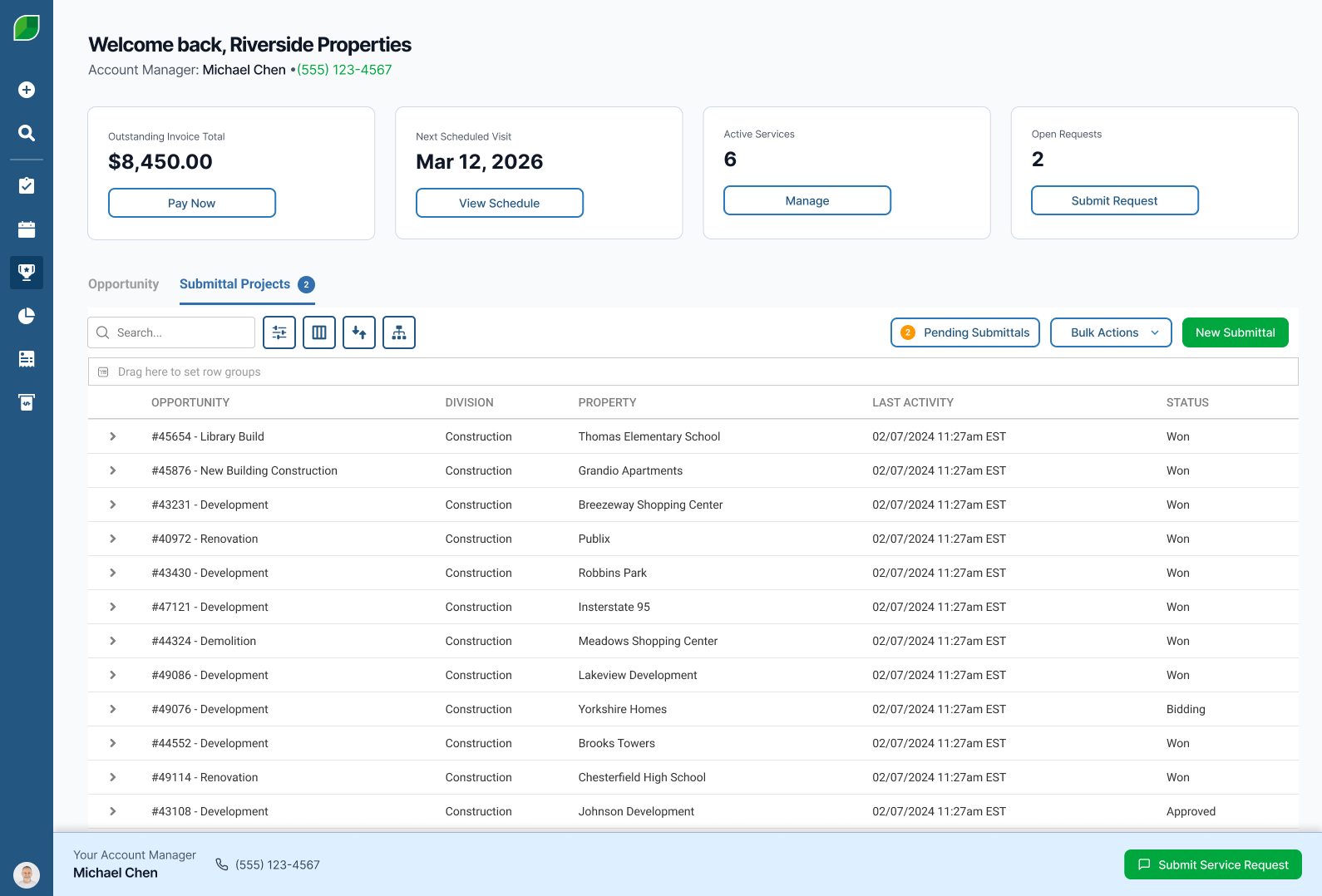
The solution was a self-service portal giving customers full visibility into their services, visits, invoices, and billing — from individual residential accounts up to enterprise-level property portfolios.
Equally important was the decision to build the portal on a scalable design system from the start, knowing that a janitorial portal and a construction submittals portal were already on the roadmap. Building once and scaling efficiently was the only approach that made sense.



What I Designed
A customer portal giving end users a clear view of scheduled visits, completed services, outstanding invoices, and billing history, along with multi-property management built into the core architecture for enterprise accounts.
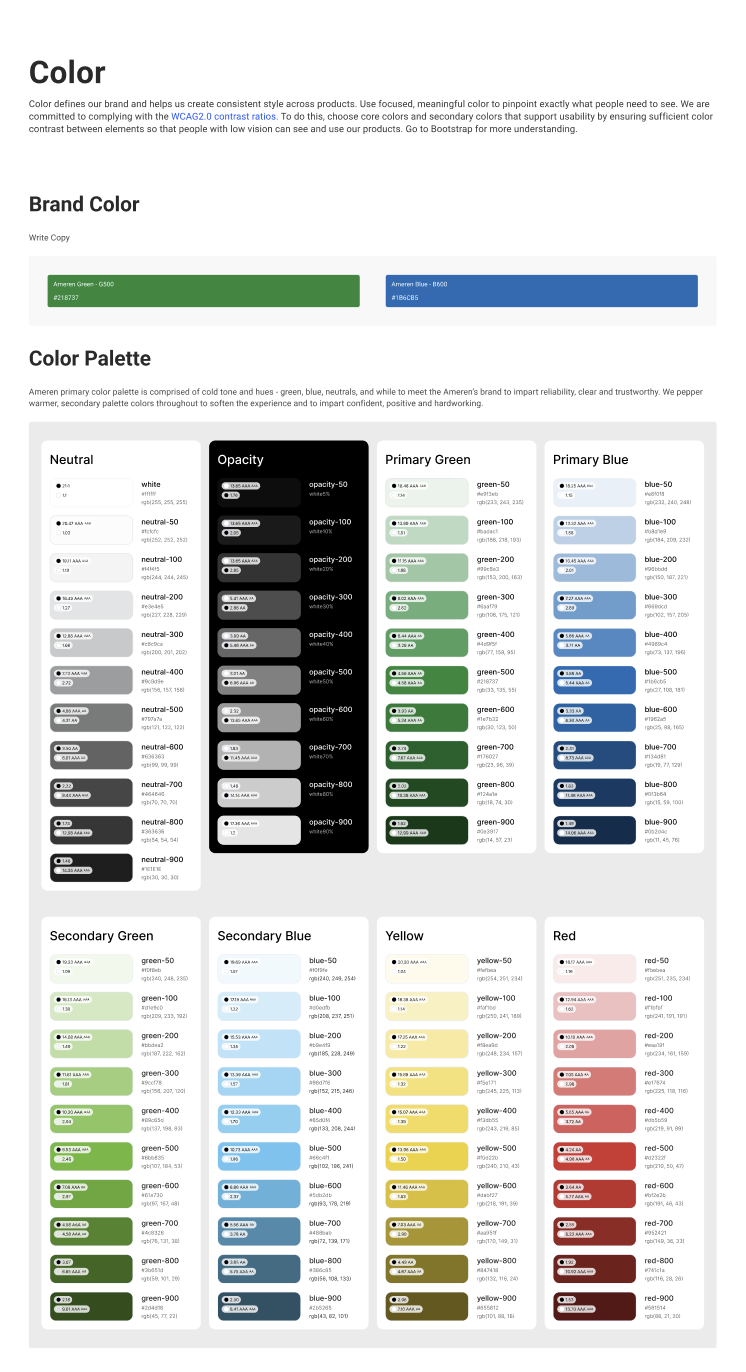
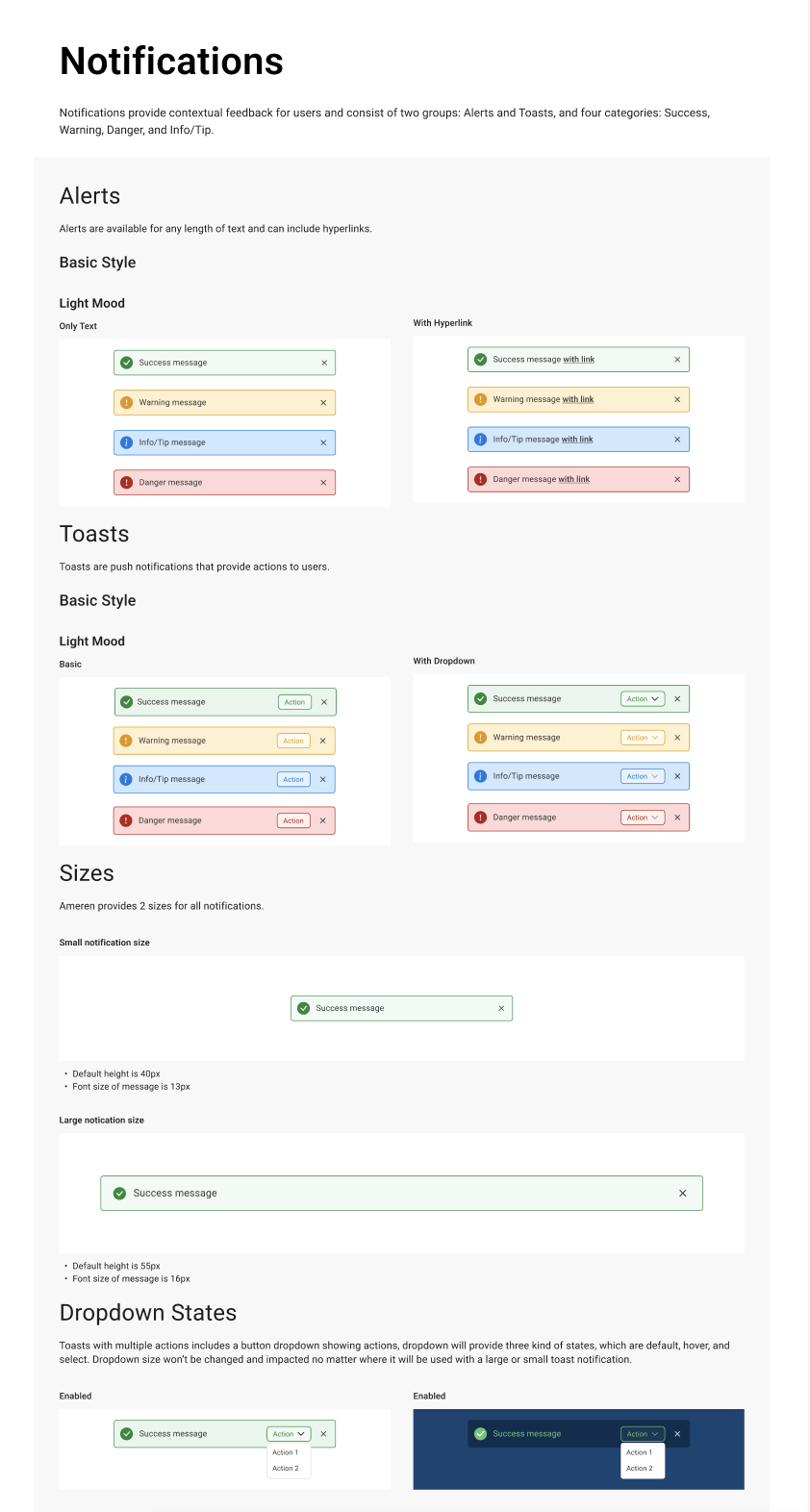
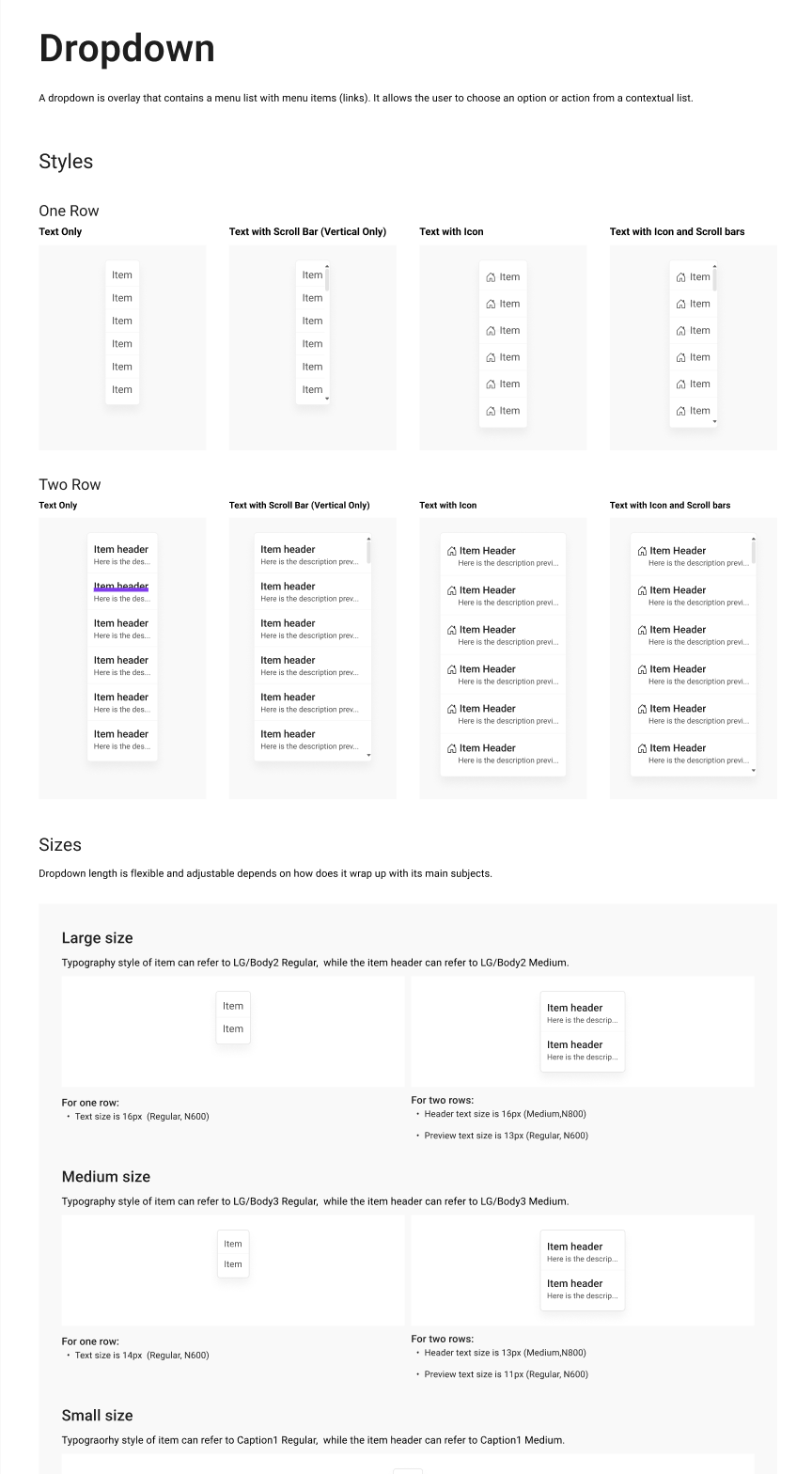
In parallel, a universal design system was established to underpin not just the customer portal but the construction submittals portal and janitorial portal that followed. This effort spanned shared tokens, components, and patterns that allowed each portal to be built faster and more consistently than the last.
Snippets of design system: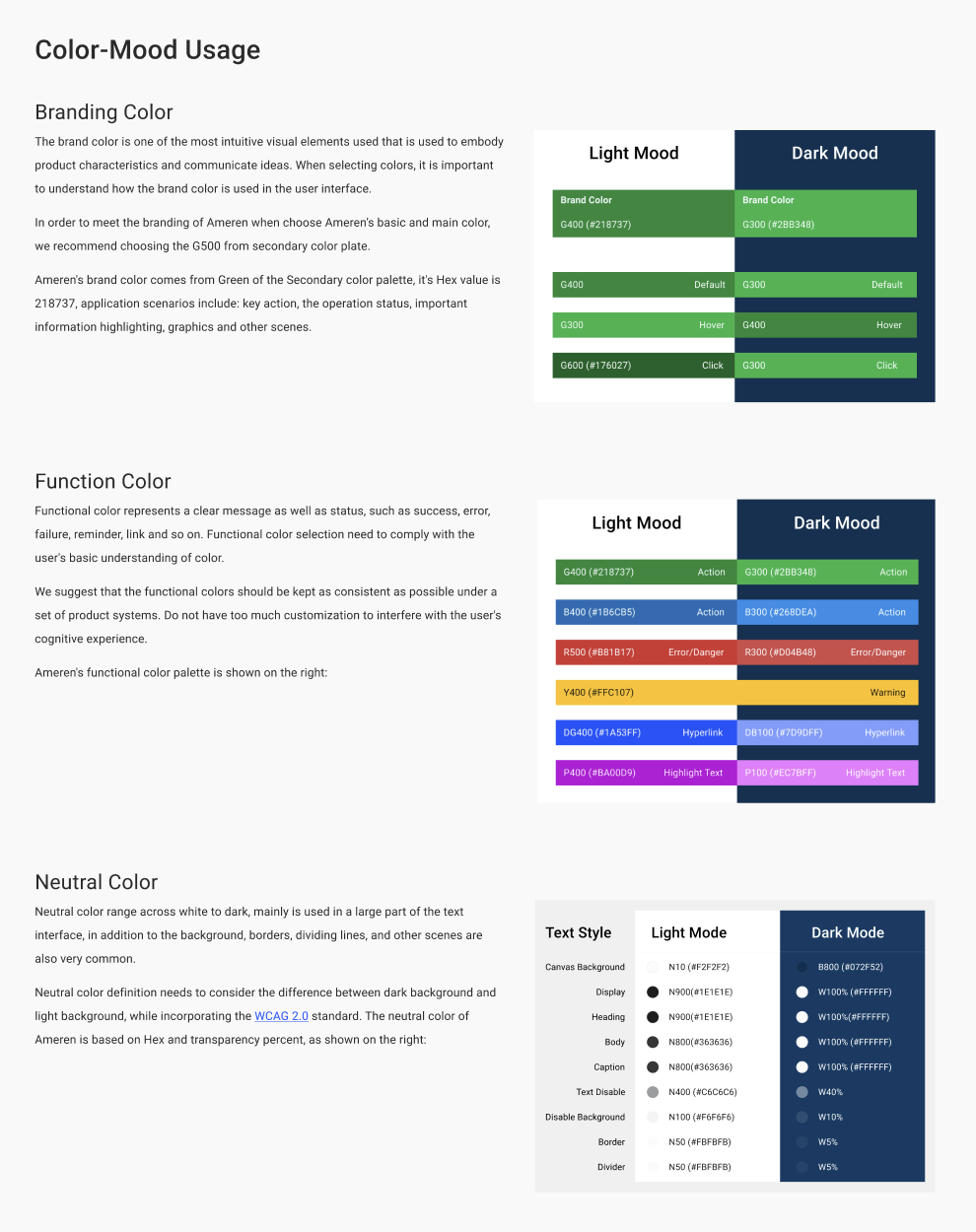
The Outcome
Invoice close rates improved across Aspire's client base. Optional service adoption increased, raising average transaction value.
The cumulative effect drove a 12% increase in Aspire's ARR — a direct result of more revenue moving through the platform.
The design system reduced time-to-design for subsequent portal work and ensured consistency across a product line that was growing quickly.
Lessons Learned
Challenge product assumptions with data before committing to scope. The multi-property management requirement was actively argued against early in the process.
Research proved it was non-negotiable for the clients who drove the most revenue. Getting that right before build began saved the project from shipping something the most important users would not use.